
Bühler Launches Fast-Track Training Program for Vocational Skills

During its prominent event, Networking Days 2025, held in June, Bühler introduced the Vocational Fast Track, an innovative approach to vocational training tailored for its clients. This initiative allows companies to send their employees to Bühler for immersive training sessions lasting several weeks or months, crafted around the Swiss apprenticeship model. The program blends classroom learning at Bühler’s dedicated training facility, the Bühler Energy Center, with practical experience in actual production settings.
Participants can engage in various modules, including Mechanics, Mechatronics, and Project Management. Additional training in Process Technology is available based on specific requirements. These courses are tailored for service technicians and maintenance staff and comply with Health & Safety regulations according to Swiss standards. Each completed module results in a recognized Swiss certification.
“The Vocational Fast Track presents companies an unparalleled opportunity to cultivate skills effectively,” stated Irene Mark-Eisenring. “We harness the strengths of the Swiss dual education system, merging theory with practice in an efficient and scalable format tailored for industrial requirements.”
This program addresses critical labor market issues, such as the growing skill shortages, increasingly volatile job markets, and escalating educational costs. Continuous training and upskilling are becoming essential in today’s workforce landscape.
A Legacy of Vocational Training
Bühler has been at the forefront of vocational training for over a century, starting its apprenticeship programs in 1915. The company has constantly evolved its methods in vocational education. The Vocational Fast Track initiative builds on this rich history, reinforcing Bühler’s longstanding dedication to education and training.
Education is woven into the fabric of Bühler’s identity, ranging from nurturing young talent domestically and globally to promoting ongoing learning for existing employees. Additionally, Bühler collaborates with universities, industry organizations, and policymakers to shape the workforce of the future. The company operates apprenticeship programs across 26 locations worldwide, including Europe, North and South America, the Middle East, Africa, and South Asia. Bühler’s goal extends beyond just fulfilling its workforce needs; it aims to enhance the broader industrial ecosystem through substantial investments in skills and talent development.
Currently, Bühler trains over 520 apprentices globally, with 40% located outside Switzerland. Since the inception of its program, more than 8,400 individuals have successfully completed their apprenticeships in Switzerland.
With extensive experience in education, Bühler excels at sharing knowledge—both internally across its global operations and externally through partnerships with initiatives like Swissmem and the Global Apprenticeship Network (GAN). The Vocational Fast Track program is now positioned to offer high-quality vocational education efficiently on a global scale, strengthening industry connections and supporting clients.
Success of the Dual Education Model
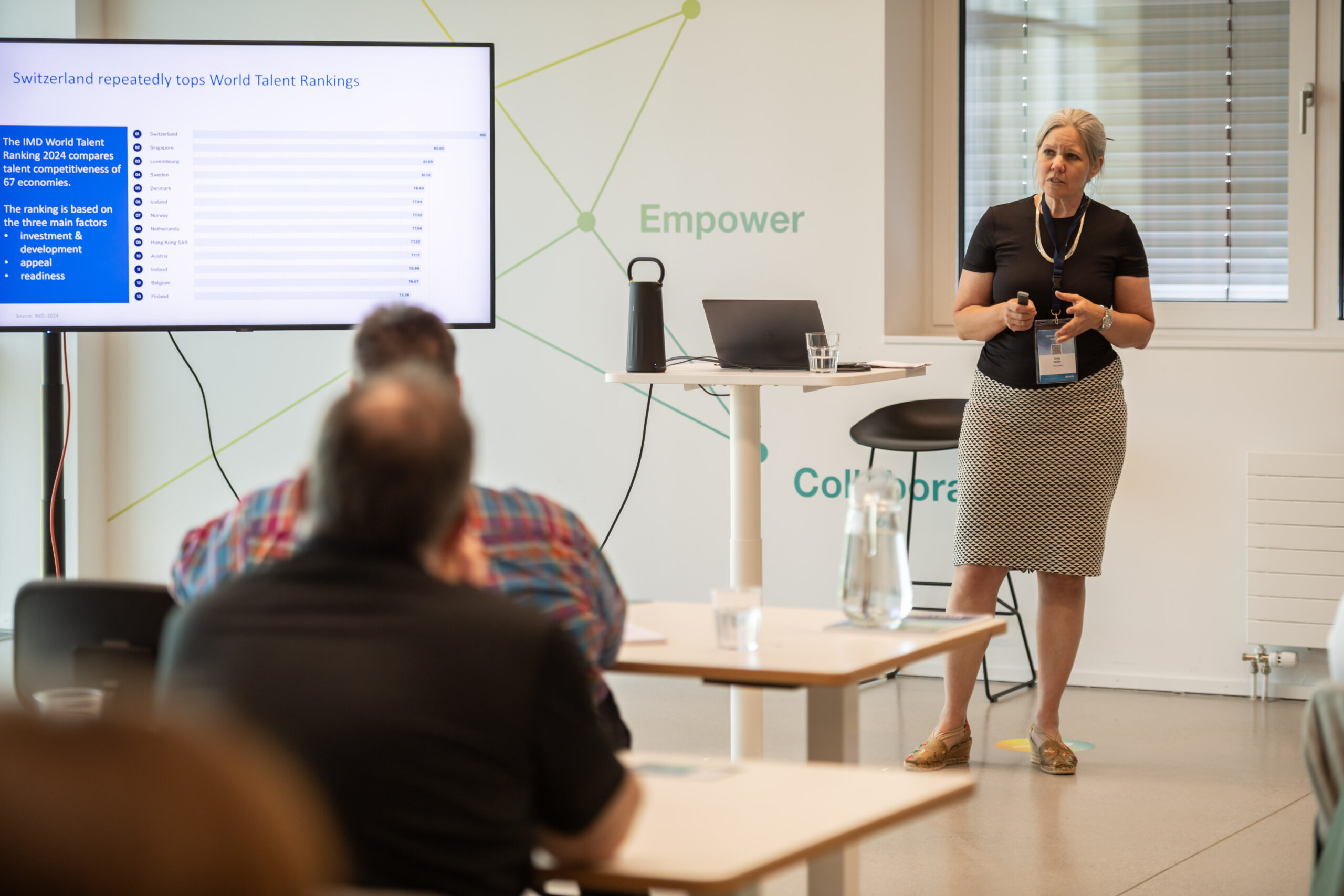
The Swiss dual education system is recognized globally for its effective blend of theoretical knowledge and practical skills. It boasts impressive job placement rates and enhances career advancement. Approximately 70% of Swiss students pursue apprenticeships among over 230 recognized careers. This approach significantly contributes to one of the lowest youth unemployment rates worldwide, which is under 4%. Sonja Studer, Head of Education at Swissmem, remarked, “The economic prosperity of Switzerland—and Bühler—is intricately linked to the dual education model, which ensures a steady influx of skilled professionals aligned with industrial demands while fostering innovation.”
Expanding Beyond Switzerland
Bühler recognized the immense potential of the dual education model early on, initiating its international expansion years ago. Today, Bühler’s apprenticeship programs operate in Germany, Austria, the Czech Republic, India, South Africa, Brazil, and the United States. Global training hubs are located in major cities like Minneapolis, Raleigh, Johannesburg, Bengaluru, Zamberk, and Curitiba.

The Swiss dual education system could significantly impact educational and workforce issues, especially in the U.S. Currently, the manufacturing skills gap exceeds one million unfilled jobs, with a substantial portion in the industrial sector. Concurrently, the cost of higher education ranges from USD 26,000 to 60,000 annually, making it financially prohibitive for many.
Apprenticeships are often perceived as a second-choice option compared to university degrees, and there is a lack of uniform national standards. Tracy Bayer, Head of Human Resources North America at Bühler, explained, “The U.S. urgently requires scalable, cost-effective workforce development models. Our Swiss dual education system is a proven solution, being affordable and providing high-quality skills that lead directly to jobs. With our apprenticeship program at the Bühler Apprentice Academy in North Carolina and Minnesota, we are demonstrating its effectiveness in practice.” The U.S. programs merge community college courses with practical training at Bühler facilities, where graduates earn associate degrees and journeyman certificates, often progressing to full-time roles within the organization.
Collaborative Responsibility in Education
Bühler collaborates closely with industry bodies, governmental entities, and local communities to tailor the dual model for diverse cultural and economic settings. Irene Mark-Eisenring emphasized, “Vocational training can only succeed on a global level through partnerships among businesses, governmental bodies, and educational institutions. This model not only benefits individual companies but strengthens entire economies.” With the introduction of the Vocational Fast Track, Bühler is taking significant strides to globalize the Swiss education model, enhancing its accessibility and modularity to meet the needs of industrial clients worldwide.
What are your thoughts on implementing such a robust vocational training system in your region?

Introduction A significant development in global connectivity is underway, as a new cable system aims to link India, the Middle Read more
Expansion Plans for Bharti Airtel in Africa Bharti Airtel is reportedly eyeing a potential acquisition of a smaller telecommunications operator Read more

Seacom's Major Submarine Cable Network Upgrade Seacom is embarking on a significant enhancement of its submarine cable network along the Read more

## Jolla's Expansion into the African Market Jolla has recently unveiled plans to establish a Sailfish OS ecosystem in Africa, Read more